(954) 327-3009


Newmil Marine provides complete yacht refit services including yacht painting (Alexseal, AwlGrip, bottom paint), teak deck repair, marine carpentry, fiberglass repair, interior refinishing and varnish, faux painting, and jacuzzi refinishing. We handle full refit projects from start to finish with integrated crews.
YACHT PAINTING, REFIT & MARINE SERVICES GLOSSARY

Yacht Painting
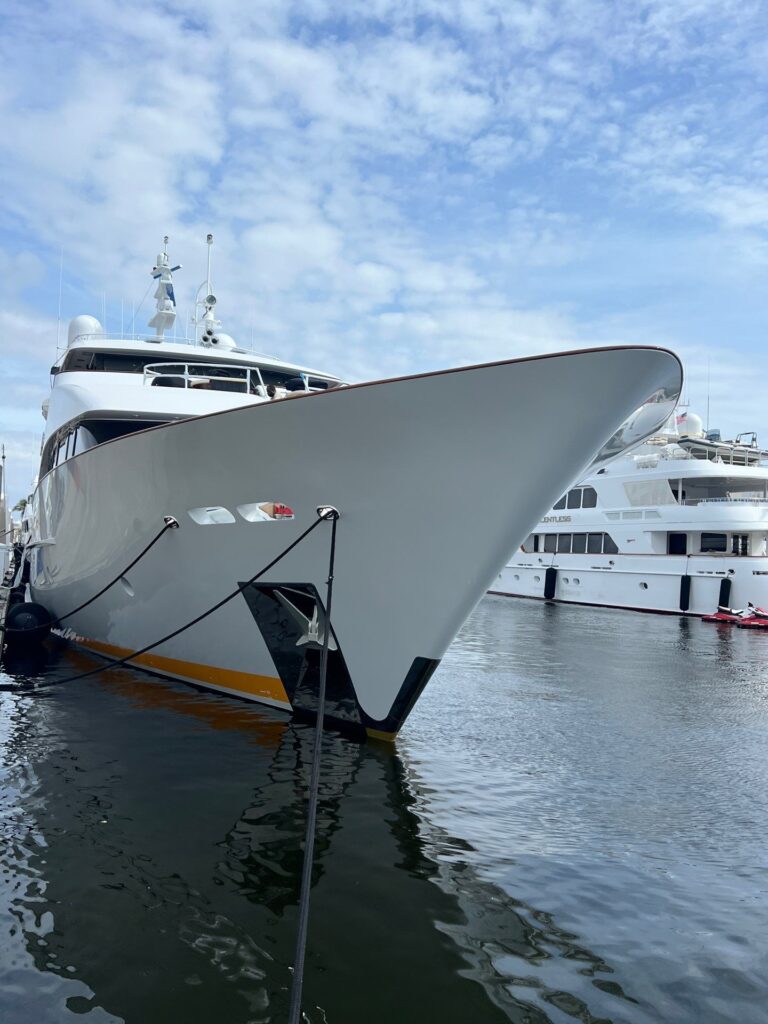
Yacht painting is one of the most important services for maintaining both the visual appeal and long-term durability of a vessel. In marine environments—especially in regions like South Florida—boats are constantly exposed to saltwater, ultraviolet radiation, humidity, and airborne contaminants. These conditions accelerate wear on exterior surfaces, making a high-quality paint system essential rather than optional.
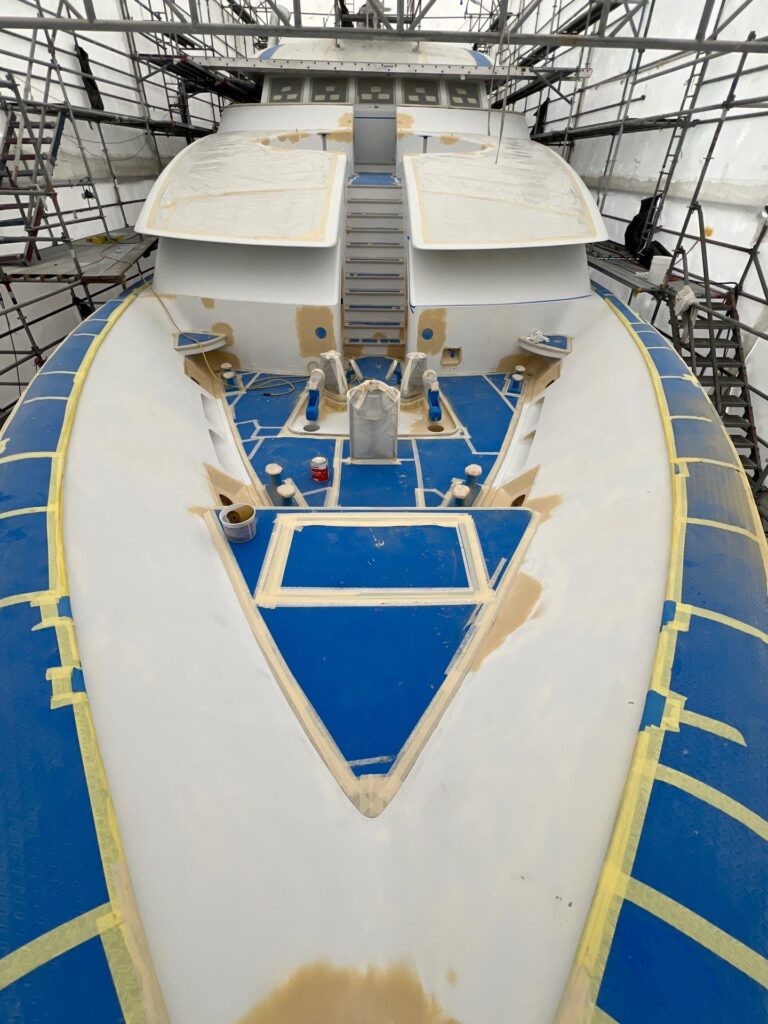
Professional yacht painting involves far more than simply applying a new coat of paint. It is a multi-step process that begins with detailed surface preparation. This includes removing oxidation, sanding existing coatings, repairing imperfections, and ensuring the substrate is properly cleaned and stabilized. Without proper preparation, even the highest-quality paint will fail prematurely.
Once the surface is prepared, marine-grade primers are applied to promote adhesion and create a uniform base. These primers also act as a protective layer, sealing the underlying material and preventing moisture intrusion. After priming, high-performance topcoats are applied, typically using polyurethane or epoxy-based systems known for their durability and gloss retention.
A professionally executed yacht painting project enhances more than just appearance. It protects against corrosion, prevents structural degradation, and reduces long-term maintenance costs. A smooth, well-applied coating also improves hydrodynamics, contributing to better performance and fuel efficiency.
In high-end yacht markets, finish quality is critical. Skilled painters focus on achieving a consistent, mirror-like surface free from imperfections such as orange peel, runs, or uneven coverage. Color matching, environmental control during application, and proper curing conditions all play a role in achieving a premium result.
Yacht painting is not a one-time task but part of an ongoing maintenance strategy. Regular inspections and timely repainting ensure that the vessel remains protected and retains its value over time.
Yacht Refits
Yacht refits represent a comprehensive approach to restoring and upgrading a vessel. Unlike routine maintenance or isolated repairs, a refit involves addressing multiple systems and components simultaneously to bring the yacht up to modern standards in performance, aesthetics, and functionality.
Refit projects can vary significantly in scope. Some owners may choose partial upgrades, such as repainting the exterior or restoring deck surfaces, while others opt for complete transformations that include structural repairs, mechanical upgrades, and full interior redesigns. The flexibility of a refit allows owners to tailor improvements based on budget, usage, and long-term goals.
The process typically begins with a detailed assessment of the vessel. This inspection identifies areas of wear, outdated systems, and potential structural concerns. Based on these findings, a refit plan is developed, outlining the scope of work, materials required, and project timeline.
Structural integrity is often a primary focus during refits. This may involve reinforcing weakened areas, repairing fiberglass damage, or upgrading critical components to meet current standards. At the same time, aesthetic improvements such as new paint systems, refinished surfaces, and updated interiors enhance the overall look and feel of the yacht.
Modern refits also incorporate technological upgrades. Navigation systems, electrical components, and onboard amenities can be replaced or enhanced to improve efficiency, safety, and user experience. These upgrades are particularly valuable for owners planning to use their yacht for extended travel or charter operations.
A well-executed yacht refit extends the lifespan of the vessel and significantly increases its market value. It allows owners to enjoy the benefits of a modern yacht without the cost of purchasing a new one, making it a strategic investment in both performance and luxury.
Teak Deck Repair
Teak deck repair is a specialized service focused on maintaining and restoring one of the most distinctive features of a yacht. Teak is widely used in marine applications due to its natural resistance to moisture, durability under heavy use, and timeless aesthetic appeal. However, even this resilient material requires regular maintenance to remain in optimal condition.
Over time, teak decks are subject to wear from foot traffic, environmental exposure, and natural aging. Common issues include surface erosion, cracks, loose or deteriorating caulking, and discoloration. If left untreated, these problems can compromise both the appearance and structural integrity of the deck.
The repair process begins with a thorough inspection to evaluate the condition of the wood and identify any underlying issues. Light maintenance may involve deep cleaning to remove dirt and contaminants, followed by sanding to restore a smooth, even surface. Sanding must be performed carefully to avoid removing excessive material and reducing the lifespan of the deck.
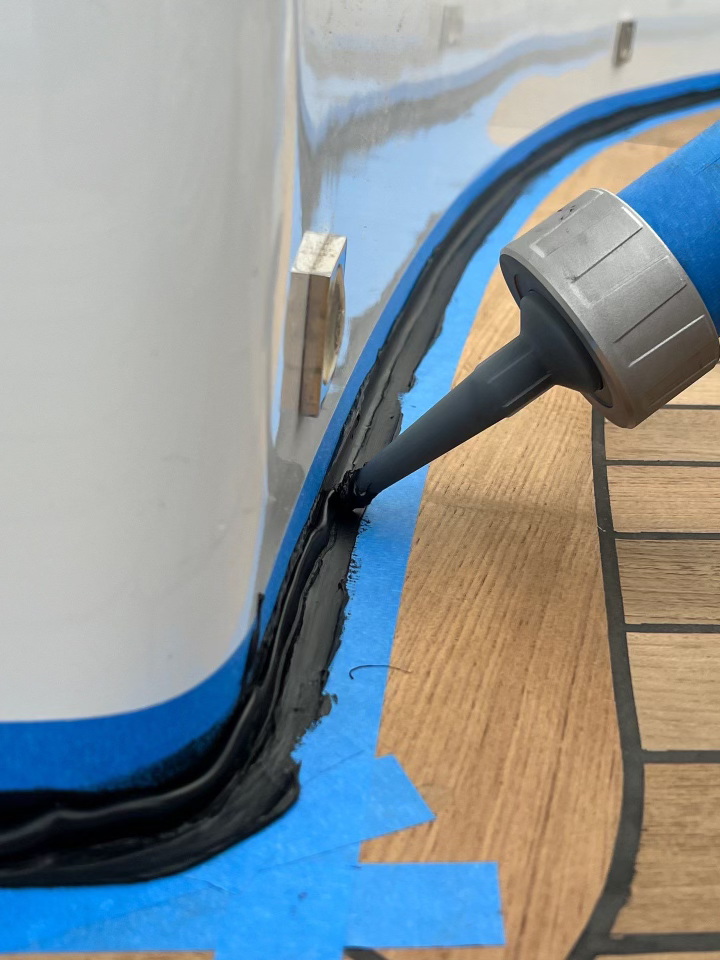
One of the most critical aspects of teak deck repair is re-caulking. The seams between planks are filled with flexible caulking that prevents water intrusion while allowing for natural expansion and contraction. Over time, this caulking can degrade, crack, or separate from the wood. Replacing it ensures that the deck remains watertight and structurally sound.
In cases of more severe damage, individual planks may need to be replaced. This requires precise craftsmanship to ensure that new sections match the existing deck in both appearance and alignment. Proper installation is essential to prevent uneven surfaces and future issues.
Regular teak deck maintenance not only preserves the natural beauty of the wood but also extends its lifespan. By addressing problems early and performing routine care, yacht owners can avoid costly replacements and maintain a safe, attractive deck.
Faux Boat Painters
Faux boat painters provide specialized decorative finishing services that replicate the appearance of high-end materials without the associated weight, cost, or maintenance requirements. This technique is commonly used in luxury yachts to achieve sophisticated interior and exterior designs.
Faux finishes can mimic a wide range of materials, including wood grains, marble, granite, and metallic surfaces. These finishes are applied using advanced painting techniques that involve layering colors, creating textures, and adding fine details to achieve a realistic effect. The result is a visually striking surface that closely resembles natural materials.
The process begins with careful surface preparation to ensure proper adhesion and a smooth base. A base coat is applied, followed by multiple layers of specialized paints and glazes. Skilled painters use tools such as brushes, sponges, and combs to create patterns and textures that replicate the desired material.
Once the decorative finish is complete, protective clear coats are applied to seal the surface and enhance durability. These coatings protect against wear, moisture, and UV exposure, ensuring that the finish remains intact over time.
Faux painting offers several advantages for yacht owners. It reduces weight compared to natural materials, which can improve performance and efficiency. It also provides greater design flexibility, allowing for customized finishes that match the owner’s vision.
This service is often used in interior spaces such as cabins, salons, and dining areas, but it can also be applied to exterior features for a cohesive design. When executed by skilled professionals, faux finishes add a unique and luxurious touch to any yacht.

Jacuzzi Boat Painters
Jacuzzi boat painters specialize in coating and refinishing spa areas and water features found on luxury yachts. These surfaces require a unique approach due to their constant exposure to water, chemicals, and temperature fluctuations.
Unlike standard marine surfaces, jacuzzi areas must be treated with coatings that are both waterproof and resistant to chemical exposure. The goal is to create a smooth, non-porous finish that prevents water absorption and resists staining or discoloration.
The process begins with thorough cleaning to remove oils, residues, and existing coatings. Any damage, such as chips or cracks, is repaired to create a stable surface. Primers designed for high-moisture environments are then applied to ensure proper adhesion.
The final coating is typically a high-gloss finish that enhances the appearance of the jacuzzi while providing long-term protection. In addition to durability, safety is also a consideration. Surfaces may be treated to provide slip resistance, reducing the risk of accidents.
A well-executed jacuzzi refinishing project improves both the functionality and aesthetics of the space. It ensures that the area remains hygienic, easy to clean, and visually consistent with the rest of the yacht.
Marine Carpentry
Marine carpentry is a highly specialized discipline focused on the construction, repair, and refinement of wooden components within a yacht. Unlike standard carpentry, this work must account for constant exposure to moisture, salt, temperature changes, and movement caused by waves. As a result, every element must be crafted with precision and built to withstand a demanding marine environment.
On yachts, marine carpentry encompasses both structural and decorative elements. Structural components may include bulkheads, subflooring, and framing systems that contribute to the vessel’s integrity. Decorative and functional elements include cabinetry, wall paneling, trim, handrails, and custom furniture. Each piece must be carefully designed to balance durability with aesthetics.
Material selection plays a critical role in marine carpentry. Woods such as teak and mahogany are commonly used due to their natural resistance to moisture and decay. In addition, marine-grade plywood and composite materials are often incorporated to provide strength and stability while minimizing weight. All materials must be properly treated and sealed to prevent warping, cracking, or rot over time.
The process begins with precise measurement and planning. Because yacht interiors often feature curved surfaces and tight spaces, carpenters must create custom solutions that fit seamlessly within the vessel’s design. Cutting, fitting, and assembly require a high level of craftsmanship, as even minor inaccuracies can affect both appearance and performance.
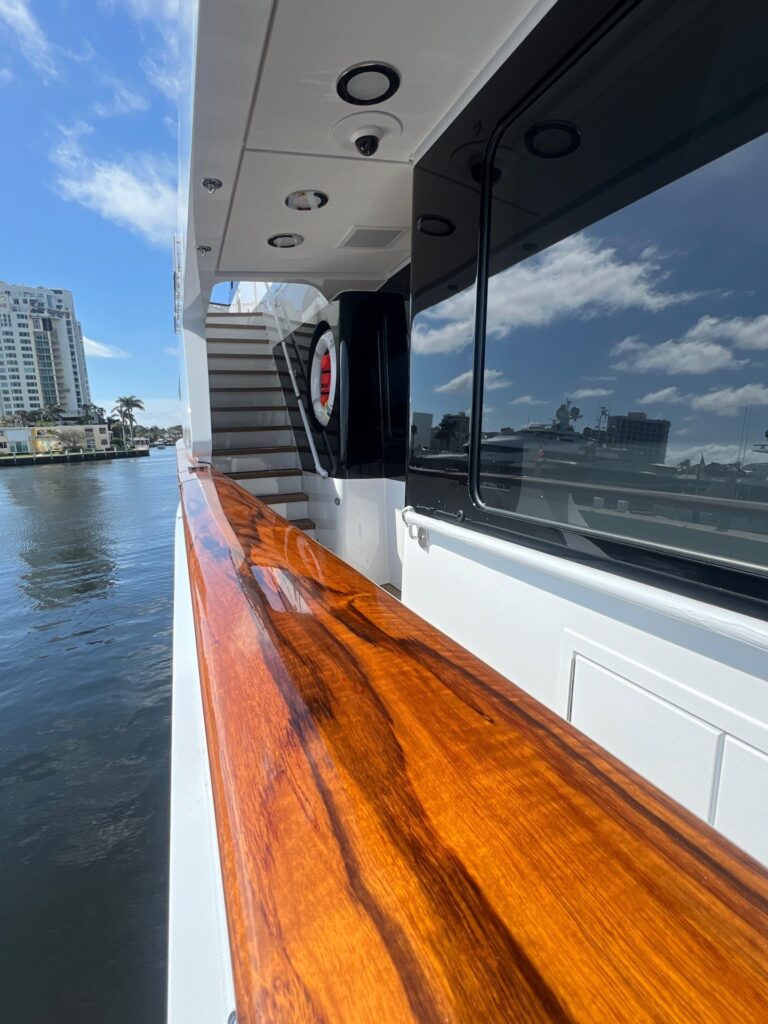
Finishing is equally important. Surfaces are sanded, sealed, and coated with protective finishes such as varnish or specialized marine coatings. These finishes not only enhance the visual appeal of the wood but also provide a barrier against moisture and wear.
Marine carpentry is often integrated into larger refit or restoration projects, where it plays a key role in transforming both interior and exterior spaces. High-quality craftsmanship ensures that wooden components remain durable, functional, and visually appealing for years to come.

Fiberglass Repair
Fiberglass repair is one of the most essential services in yacht maintenance, as fiberglass is the primary material used in modern vessel construction. While it offers strength, flexibility, and resistance to corrosion, fiberglass is still susceptible to damage from impacts, stress, and environmental exposure.
Common issues that require fiberglass repair include cracks, blisters, delamination, and structural weakening. These problems can develop gradually over time or occur suddenly due to collisions or grounding. Even minor damage should be addressed promptly, as it can allow water intrusion and lead to more extensive deterioration.
The repair process begins with a detailed inspection to assess the extent of the damage. Technicians identify both visible issues and underlying structural concerns that may not be immediately apparent. Once the affected area is defined, damaged material is removed by grinding or cutting, creating a clean surface for rebuilding.
New layers of fiberglass are then applied using resin systems designed to restore strength and integrity. This process involves carefully layering fiberglass mat or cloth and saturating it with resin to create a solid bond. Each layer must be applied with precision to ensure uniform strength and proper curing.
After the structural repair is complete, the surface is shaped and smoothed using fairing compounds. This step is critical for restoring the original contour of the vessel and ensuring a seamless finish. The repaired area is then sanded, primed, and coated with marine paint to match the surrounding surface.
Professional fiberglass repair ensures that the restored section is as strong as—or stronger than—the original structure. Proper technique and material selection are essential, as poor repairs can lead to weak points and recurring damage.
Expert Alexseal Painters in Florida
Expert Alexseal painters in Florida specialize in applying one of the most advanced marine coating systems available. Alexseal is known for its high-gloss finish, durability, and unique ability to be repaired and blended without compromising appearance. This makes it a preferred choice for yacht owners who prioritize both aesthetics and long-term maintainability.
Applying Alexseal coatings requires a high level of skill and attention to detail. The system is sensitive to environmental conditions such as temperature and humidity, which must be carefully controlled during application. Professional painters use specialized equipment and techniques to ensure even coverage and a flawless finish.
The process begins with thorough surface preparation, including sanding, cleaning, and priming. Proper preparation is essential for achieving strong adhesion and preventing issues such as peeling or bubbling. Once the surface is ready, multiple layers of Alexseal coatings are applied, each contributing to the depth and gloss of the final finish.
One of the key advantages of Alexseal is its repairability. Unlike some coating systems that require complete repainting when damaged, Alexseal allows for localized repairs that blend seamlessly with the existing finish. This reduces maintenance costs and extends the lifespan of the coating.
In Florida’s challenging marine environment, Alexseal performs exceptionally well. It resists UV damage, maintains its gloss over time, and withstands exposure to saltwater and harsh weather conditions. These qualities make it an ideal choice for yachts that require both durability and a premium appearance.
Working with experienced Alexseal painters ensures that the coating system is applied correctly and performs as intended. Their expertise is critical in achieving a finish that meets the high standards expected in the luxury yacht market.
Interior Refinishing and Varnish
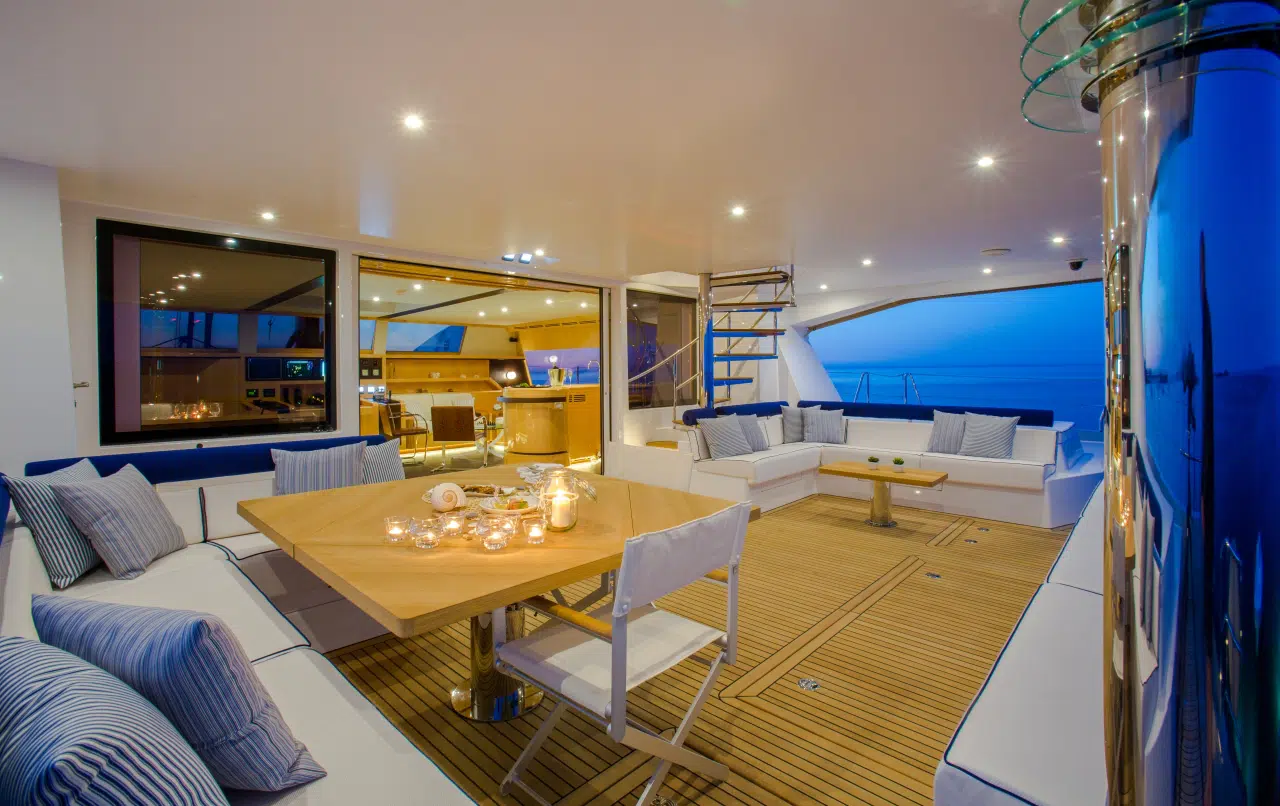
Interior refinishing and varnish services focus on restoring and enhancing the surfaces within a yacht’s living spaces. Over time, interior materials such as wood, cabinetry, and trim can become worn, scratched, or faded due to regular use and environmental factors like humidity.
Refinishing begins with a careful assessment of the existing surfaces. Damaged or deteriorated finishes are removed through sanding or stripping, revealing the underlying material. This step allows technicians to address any imperfections and prepare the surface for new coatings.
Varnish is a key component of interior refinishing, particularly for wooden surfaces. It enhances the natural beauty of the wood while providing protection against moisture, wear, and minor impacts. High-quality marine varnishes are designed to maintain clarity and resist yellowing over time.
The application process involves multiple layers of varnish, with sanding between coats to achieve a smooth, even finish. Each layer adds depth and durability, resulting in a rich, polished appearance. Attention to detail is essential, as imperfections can affect both aesthetics and performance.
In addition to wood surfaces, interior refinishing may include updating painted areas, restoring cabinetry, and improving overall design elements. These upgrades can significantly enhance the comfort and visual appeal of the yacht’s interior.
Interior refinishing is often part of larger refit projects, but it can also be performed independently to refresh the look of a vessel. By maintaining high-quality finishes, yacht owners can preserve the value of their investment and create a more enjoyable onboard experience.
AwlGrip Boat Painters
AwlGrip boat painters specialize in applying one of the most recognized and respected marine coating systems in the industry. AwlGrip is known for its exceptional durability, high-gloss finish, and resistance to environmental stress, making it a popular choice for both luxury yachts and high-performance vessels.
The application of AwlGrip coatings requires precision and expertise. The system is typically applied using spray techniques in controlled environments to ensure a smooth, uniform finish. Factors such as temperature, humidity, and airflow must be carefully managed to achieve optimal results.
Surface preparation is a critical step in the process. This includes sanding, cleaning, and applying primers that promote adhesion and create a stable foundation for the topcoat. Any imperfections must be addressed before painting, as they will be visible in the final finish.
AwlGrip coatings are known for their hardness and durability, which provide excellent protection against scratches, chemicals, and UV exposure. This makes them particularly well-suited for vessels operating in harsh marine environments. However, this durability also means that repairs can be more complex compared to other systems, requiring skilled professionals to achieve seamless results.
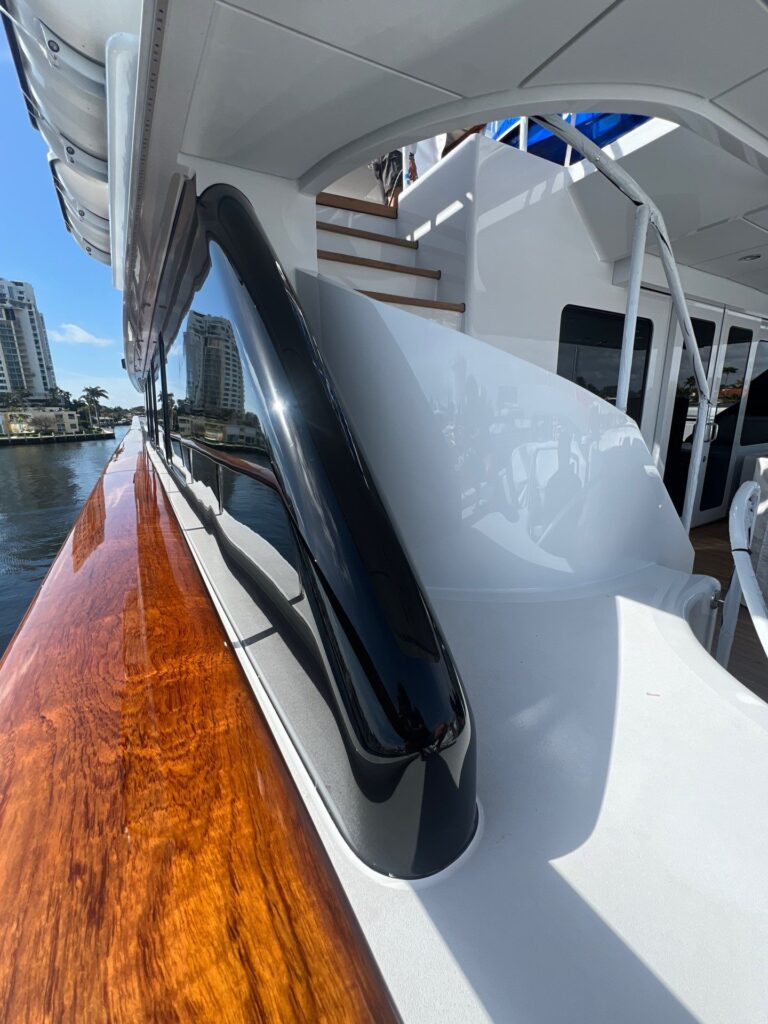
The final finish achieved with AwlGrip is often described as mirror-like, with deep gloss and consistent color. This level of quality enhances the overall appearance of the vessel and contributes to its value.
Choosing experienced AwlGrip boat painters ensures that the coating system is applied correctly and performs as intended. Their expertise is essential for achieving a finish that meets the high expectations of yacht owners and withstands the demands of the marine environment.
Start Your Yacht Refit Project
Tell us about your vessel and the work you need completed. Our project managers will assess scope, coordinate facility access, and provide a detailed estimate for your yacht refit.

What our clients are saying...
Frequently Asked Questions
Our painters are factory-certified for Alexseal yacht coatings, AwlGrip polyurethane systems, and SeaHawk antifouling applications. These certifications ensure manufacturer warranty compliance on all painting work.
We provide mobile yacht refit services throughout South Florida and the Eastern Seaboard. Our crews regularly work at Lauderdale Marine Center, Safe Harbor Rybovich, Bahia Mar, Savannah Yacht Center, and private marinas. We bring complete equipment and containment systems to your vessel’s location.
Newmil Marine has provided yacht refinishing and refit services since 1993. Over 30 years, we have completed projects on vessels ranging from sport fishers to 60-meter superyachts including M/Y Blue Moon (Feadship), M/Y Odyssea (Heesen), and M/Y Jamaica Bay (Nobiskrug).
Faux painting creates the appearance of wood grain, marble, stone, or other materials on yacht surfaces. This decorative technique transforms fiberglass, metal, or existing finishes into realistic textures without the weight, maintenance, or cost of actual materials. Common applications include interior panels, furniture, and architectural accents.